AI
Kanadevia Inova aims to reduce downtime & costs with AI
Learn more
Industrial sector
To enable the serial production of a new satellite mechanism, Beyond Gravity must eliminate a critical bottleneck: its test infrastructure. Together with Zühlke, the company is developing a scalable test platform that automates thermal vacuum testing and enables the parallel validation of up to 12 mechanisms. The result: increased testing capacity, more stable processes, and production scalability.

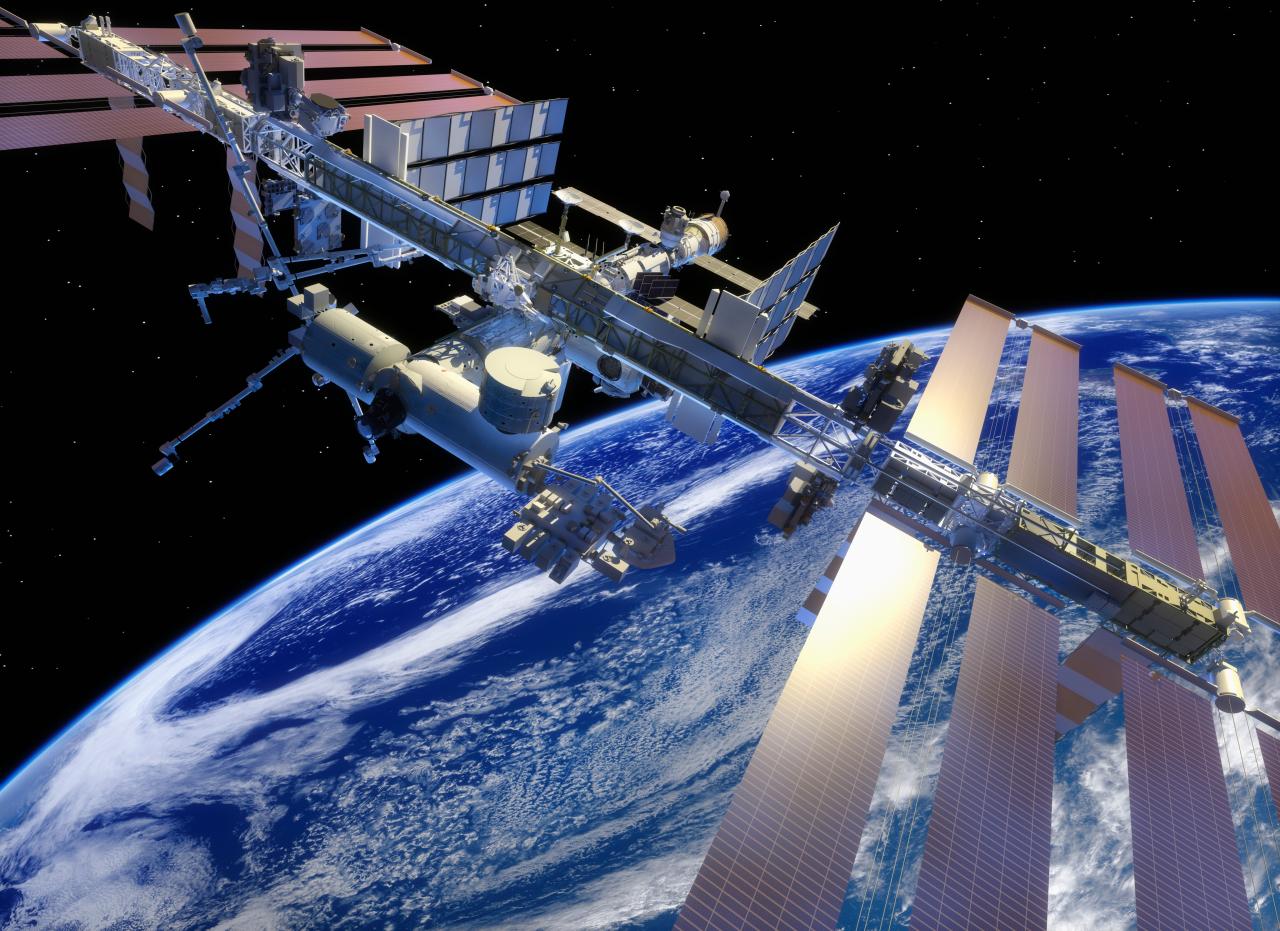
Satellites consist of highly specialised components that must operate reliably under extreme conditions. Before being sent into space, these systems are tested under space conditions, such as in vacuum chambers with significant temperature fluctuations.
To enable the serial production of a new satellite mechanism, Beyond Gravity is fundamentally modernising its existing test infrastructure.
Together with Zühlke, the company is developing a new generation of automated test systems. A historically evolved testing environment is being transformed into a scalable validation platform capable of testing even more mechanisms simultaneously.
Among other products, Beyond Gravity develops so-called Solar Array Drive Mechanisms (SADMs). These mechanisms connect the solar wings to the satellite body, orient the panels towards the sun, and, simultaneously, transfer electrical power and signals between the satellite and the solar wing.
Before these mechanisms can be deployed, they must undergo extensive testing. One of the most important procedures is the thermal vacuum test. This test simulates the space environment by creating temperature cycles and vacuum conditions. Functional tests are conducted in this setting to evaluate the mechanism's functionality, signal transmission, and performance. It provides critical data on the performance and reliability of the mechanisms.
In the past, Beyond Gravity produced these mechanisms in relatively small quantities and tested them individually or in small batches. With the introduction of a new product and a strategic focus on serial production, however, the requirements have changed significantly. The company plans to test up to twelve mechanisms simultaneously in the future.
The existing test automation system was not designed for this purpose, making maintenance and expansion increasingly difficult. As a result, the test infrastructure has become a critical bottleneck for the planned production scale-up.
To address this challenge, Beyond Gravity and Zühlke launched a project to develop a new test automation solution. At the outset, both teams analysed the existing environment and jointly defined the requirements for a future system.
It quickly became clear that the project involved more than simply modernising the existing software. The entire testing system needed to be rethought. In addition to the software architecture, key components of the test hardware would also need to be redesigned or replaced.
The objective was to create a robust, modular platform capable of reliably controlling complex test procedures while supporting significantly higher testing volumes.

At the heart of the new system is a central control unit known as the “Test Master”. This component coordinates the entire testing process, from configuration and execution of test sequences through to monitoring and fault handling.
Several specialised modules perform different tasks within the system. For example, they control the temperature and pressure conditions inside the vacuum chamber, manage the functions of the test objects, collect measurement data, and carry out automated analyses. This modular architecture enables test engineers to configure complex test profiles flexibly while ensuring reliable and repeatable execution.
The test system is also being comprehensively modernised at the hardware level. Measuring how instruments, power supplies, and motor controllers are being upgraded and integrated into the new system architecture. The result is a tightly integrated software and hardware platform that automates and continuously monitors the entire testing process.
With the new test automation platform, Beyond Gravity now has a scalable infrastructure for validating its satellite mechanisms.
As described, the company can now significantly increase its testing capacity. This makes the planned series production of the mechanism possible in the first place. At the same time, the modular architecture improves the system’s maintainability and reduces dependence on older technologies.
Beyond Gravity is very satisfied with the results: the company now has a professional solution where a fragmented test environment had previously been in place. This development enables the team to make a decisive contribution to one of the company’s strategic goals: the mass production of the new mechanism.

The new test automation system forms part of a broader transformation at Beyond Gravity. In parallel with the project, a new cleanroom and production environment has been established to enable the industrial manufacturing of the mechanisms.
Together with Zühlke, Beyond Gravity has transformed a historically evolved testing environment into a future-ready validation platform.
The company now has the technical foundation required to test complex space components efficiently, reliably, and at industrial scale.

